Elon Musk's controversial claim regarding South Africa's racism
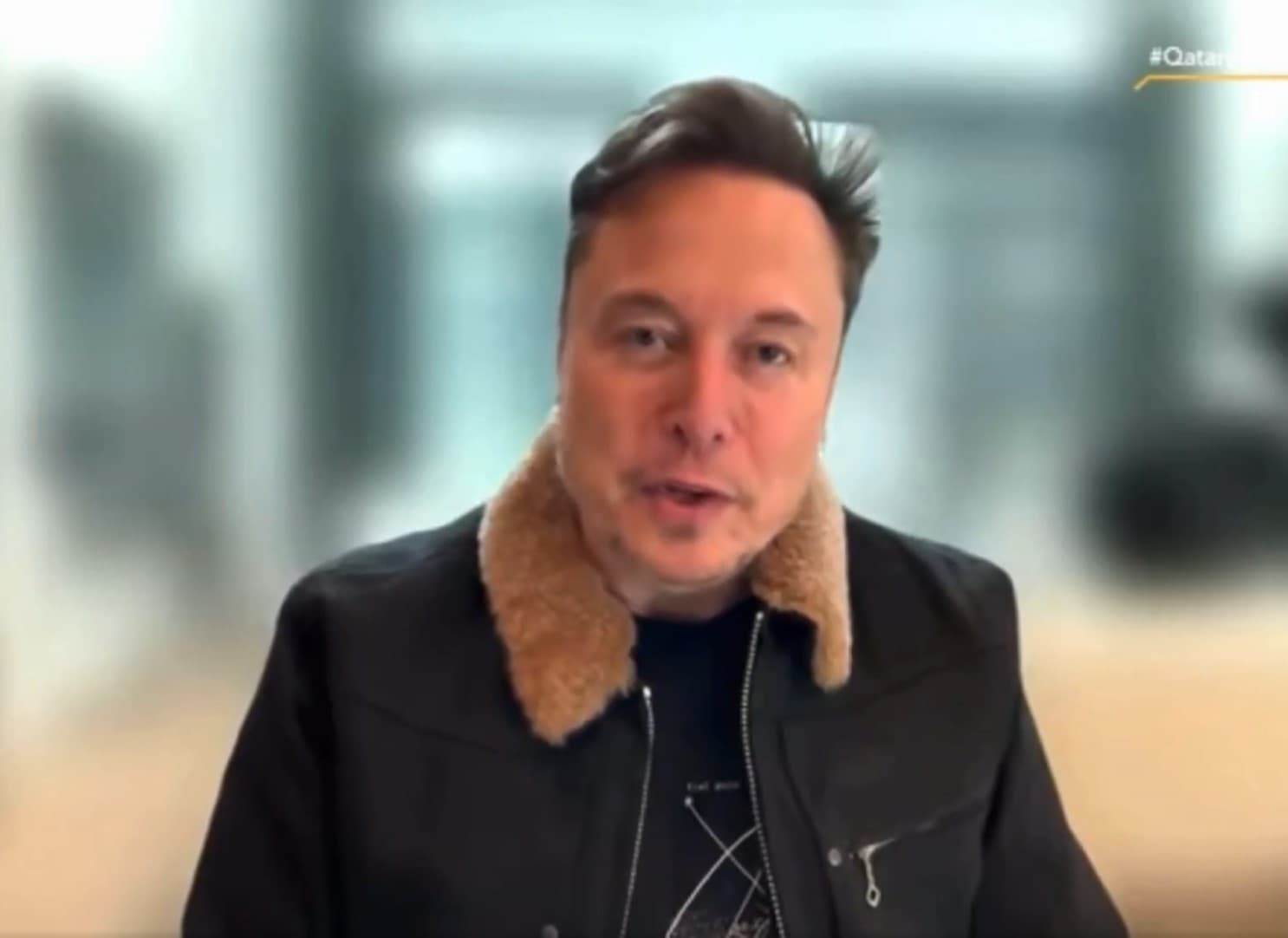
In a controversial statement, Elon Musk asserts that the reason Starlink, his satellite internet venture, is unable to obtain an Internet service provider license in South Africa is due to racial discrimination against him, stating, "this is not ok." His comment stems from South Africa's laws which prioritize black South Africans for business licenses and opportunities. This post has sparked significant debate about the implications of these laws, the intersection of race and business opportunities in South Africa, and whether Musk's statement reflects a misunderstanding of the legal context or a broader critique of affirmative action policies. The narrative builds on the tension of race relations and access to business, culminating in Musk's call for justice against the backdrop of institutional inequity.
Thoughts
Beliefs
Selected Thought:
Starlink is not allowed to have an Internet provider license in South Africa for the sole reason that Elon is not Black.
Age Groups
Sex
Religion
Education
Political Leaning
Demographic Importance Ranking
How much each demographic category influences beliefs on this thought (0-100)
B.E.T.s
B.E.T. AI Assessments
Selected B.E.T. #1:
Population Distribution Across Categories
Estimated IQ by Category
Category Details
Critical Reformist
Acknowledges South Africa's policies as racially discriminatory but views them as necessary corrective measures. Often academically inclined, familiar with post-colonial theory, and believes historical injustices require race-conscious remedies. Tends to be progressive, educated, and comfortable with moral complexity.
Principled Critic
Sees South Africa's policies as discriminatory and opposes all racial discrimination on principle. Often libertarian or classical liberal, values colorblind policy approaches. Tends to be consistent in applying anti-discrimination principles regardless of historical context.
Conflicted Observer
Recognizes discrimination in South African policy but struggles with whether such measures are ever justified. Often younger, still forming political views, or genuinely torn between competing moral frameworks about justice and equality.
Contextual Defender
Denies South African policies constitute discrimination but supports race-based remedies in principle. Views these policies as restoration rather than discrimination. Often progressive, may have academic background in social justice studies.
Universal Egalitarian
Rejects that South African policies are discriminatory and opposes racial discrimination broadly. May view current policies as appropriate redress that doesn't constitute discrimination. Often moderate liberal with strong colorblind ideals.
Passive Moderate
Doesn't see South African policies as discriminatory and hasn't formed strong views on discrimination's justifiability. Generally disengaged from international politics, focuses on local concerns, consumes mainstream media passively.
Theoretical Supporter
Unsure about South African specifics but philosophically open to race-conscious policies. Acknowledges not knowing enough about South Africa but has thought through abstract justice questions. Often young progressives.
Cautious Traditionalist
Uncertain about South Africa specifically but firmly opposes racial discrimination as policy. Conservative-leaning, values formal equality, suspicious of race-based policies generally but admits unfamiliarity with South African context.
Disengaged Citizen
Uncertain on both questions, largely uninformed about South African politics and hasn't contemplated discrimination ethics deeply. Average American focused on daily life, rarely engages with international or philosophical political questions.
Belief Systems
Belief System #1 Structure
Legend:
Belief System AI Assessments
Selected Belief System #1:
Starlink is not allowed to have an Internet provider license in South Africa for the sole reason that Elon is not Black.
Persona Name
Reginald 'Redpill' van der Merwe
Profile Description
Reginald is a 52-year-old former IT consultant from Johannesburg who emigrated to Australia in 2008 but still considers himself the foremost expert on South African politics. He spends his days in Facebook groups dedicated to discussing 'what's really happening' back home, despite not having visited in over a decade. Reginald has a surface-level understanding of B-BBEE legislation but dramatically oversimplifies its application, believing that any business difficulty faced by white South Africans must be solely attributable to race-based policies. He conflates telecommunications licensing requirements (which involve spectrum allocation, infrastructure investment, and regulatory compliance) with ownership transformation scorecards, apparently unaware that Starlink's licensing delays involve multiple factors including local partnership requirements that apply regardless of any founder's race. His reasoning jumps from 'B-BBEE exists' to 'therefore Elon personally cannot get a license because he's white' without examining whether Musk's citizenship or race has any bearing on a U.S. corporation's licensing application.
Estimated IQ
AI model's estimate of the average IQ for someone holding this belief system